
.jpg?updated=2026-05-09_16-24)
Tuscany: A Land to Live Between Culture, Nature and Flavors
What to visit in Tuscany: Visiting Tuscany means immersing yourself in one of the richest cultural, artistic and landscape heritage in the world. From the Renaissance masterpieces of Florence to the medieval towers of San Gimignano, passing through the gentle hills of Chianti, natural spas, hidden villages and the beaches of Argentario: every corner offers authentic and unforgettable experiences.
This guide will accompany you to discover what to visit in Tuscany, with itineraries designed for those who have only one day available and tips for those who want to explore the region more deeply, including suggestions on where to eat, where to sleep, and how to get around.
Table of Contents
- What to visit in Tuscany in one day
- What to visit in Tuscany in two days or more
- What to visit around the main destinations
- Where to stay in Tuscany
- What to eat in Tuscany
- Practical travel tips
- Frequently Asked Questions
What to Visit in Tuscany in One Day: Itinerary between Florence, Pisa and the Hills
Only 24 hours? Here is an ideal itinerary to discover what to visit in Tuscany in one day, perfect for those who want a taste of the soul of the region.
1. Florence: The Heart of the Renaissance
Start from Florence, the cradle of the Renaissance. Dedicate the morning to Piazza del Duomo, with the Cathedral of Santa Maria del Fiore, Giotto's Bell Tower and the Baptistery. Continue towards the Uffizi Gallery to admire works by Botticelli and Leonardo. For lunch, stop near Piazza della Signoria or the Central Market to enjoy Tuscan cuisine.
In the afternoon, cross the Ponte Vecchio and climb up to Piazzale Michelangelo for a breathtaking panoramic view of the city.
2. Pisa and the Leaning Tower
In the late afternoon, move to Pisa (1 hour by train or car). In Piazza dei Miracoli you can admire the famous Leaning Tower, the Cathedral and the Baptistery: a unique architectural complex in the world. Take an iconic photo and, if you have time, climb the tower.
3. Sunset among the Chianti Hills
If you’re traveling by car, end the day among the Chianti hills: vineyards, cypress trees and farmhouses. Stop at a winery for a quick tasting, perhaps near Castellina or Radda.
Beyond the Classic: What to Visit in Tuscany in Two Days or More
With more time available, you can discover hidden treasures and less beaten but equally extraordinary corners.
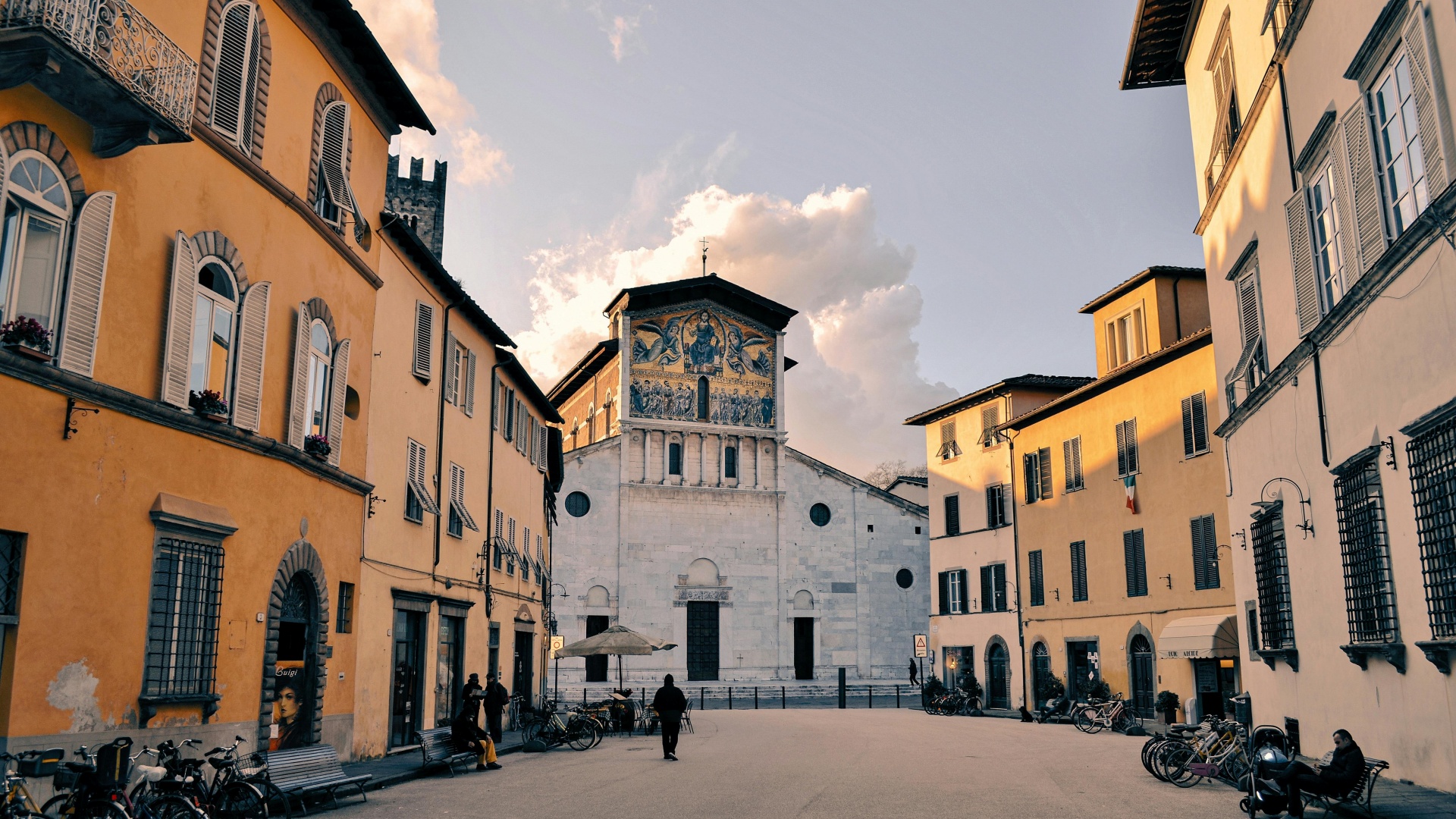
▸ Lucca: City of the Walls
An intact historic center, surrounded by a wall that can be walked or cycled along. Not to be missed: the Guinigi Tower with trees on top, the Piazza dell’Anfiteatro, San Michele in Foro.
▸ Siena: Medieval Authenticity
Siena is an untouched gem. Visit Piazza del Campo, the Mangia Tower, the Cathedral with its inlaid floor and the evocative contrade. If you have time, enter the Santa Maria della Scala complex.
▸ San Gimignano and Volterra
Two extraordinary Tuscan villages: San Gimignano with its towers, Volterra with its Etruscan origins and alabaster craftsmanship. Both will take you back in time.
▸ Arezzo and Cortona
Arezzo, a less crowded art city, hosts frescoes by Piero della Francesca. Cortona, perched on a hill, offers spectacular views over the Val di Chiana.
What to Visit Around: Nature, Villages and Sea
Val d’Orcia
A UNESCO Heritage Site, it is one of the most photographed landscapes in Italy. Pienza, Montalcino, San Quirico and Bagno Vignoni are essential stops. Perfect by car or bike.
Natural Spas
The natural spas of Saturnia, San Filippo or Petriolo are freely accessible and immersed in nature. A relaxing and spectacular experience.
Maremma
Wild and authentic, it offers beaches like Cala Violina, villages like Massa Marittima and parks like Uccellina. Ideal for sea lovers and hikers.
Elba Island
Easily reachable by ferry from Piombino, Elba is perfect for a two or three-day trip: beaches, trekking, snorkeling and Napoleonic traces.
Where to Stay in Tuscany: Residenza d’Epoca San Martino 29 in Siena

If you are planning what to visit in Tuscany, San Martino 29 is the ideal choice to fully experience the historic heart of Siena. Located just a few steps from Piazza del Campo, this finely renovated historic residence combines elegance, comfort and a strategic location.
The rooms, spacious and carefully detailed, offer king size beds, air conditioning, free Wi-Fi and private bathrooms with rain showers. Each environment is tastefully decorated, maintaining the original charm of the building.
Thanks to its central location, you can explore all the main attractions of Siena on foot and easily take day trips to San Gimignano, Val d’Orcia or Chianti. A perfect starting point for those who want to discover what to visit in Tuscany with style and tranquility.
What to Eat in Tuscany: Authentic Flavors to Pair with Every Stop
Traveling to discover what to visit in Tuscany cannot be separated from the gastronomic experience. Tuscan cuisine is simple, genuine and deeply tied to the territory. Every dish tells a story of peasant tradition, local ingredients and strong flavors.
Tuscan Appetizers
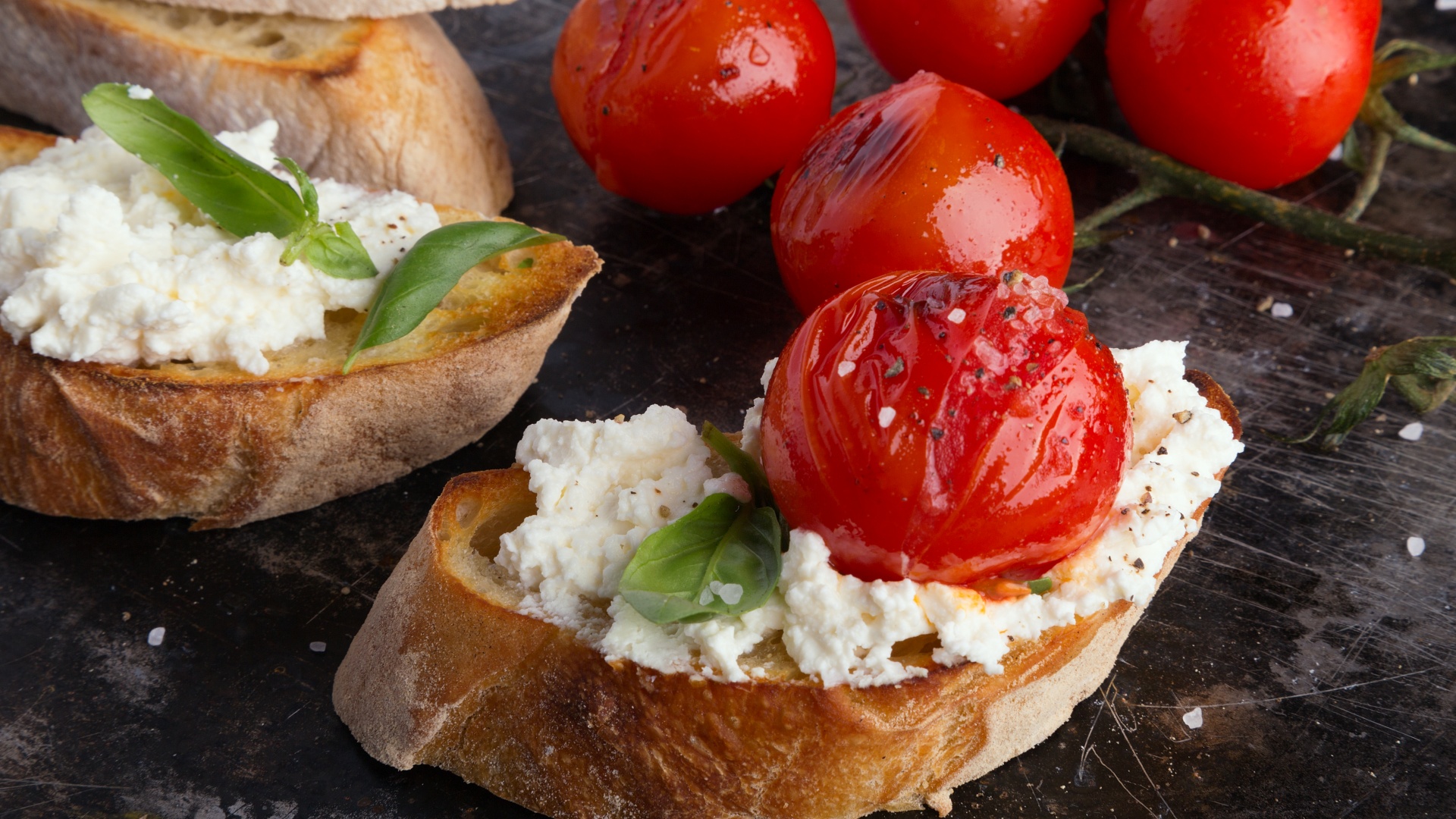
- Tuscan crostini: slices of toasted rustic bread, topped with a savory chicken liver pâté, often flavored with capers, anchovies and Vin Santo. A timeless classic for aperitivo.
- Pecorino from Crete Senesi: intense sheep’s cheese, aged in cave or under ash. Excellent paired with honey, jams or fresh pears.
- Finocchiona: soft fennel-flavored salami, typical of the Tuscan hills. Perfect with a slice of unsalted bread.
- Chianti Tuna pork shoulder filleted in EVO oil scented with peppercorns, juniper berries and bay leaves.
First Courses
- Pici all’aglione: thick handmade spaghetti, dressed with a Tuscan garlic and tomato sauce. Simple, rustic and fragrant.
- Pici with pecorino, pepper and truffle, homemade with black truffle;
- Pappa al pomodoro
- Ribollita: peasant soup made of black cabbage, beans and stale bread. It is "reboiled" the next day to enhance flavors.
- Ravioli: fresh pasta stuffed with ossobuco, served with tarragon oil and confit tomatoes and thyme and marjoram;
Main Courses
- Florentine steak: Chianina breed meat cut grilled rare on the coals, at least 3 fingers thick. A must for meat lovers.
- Wild boar stew marinated in red wine and slowly cooked with herbs, tomato and olives. Strong, bold, typically Tuscan.
- Sliced beef: sirloin with truffle flakes and Maldon salt;
Traditional Desserts
- Cantucci and Vin Santo: dry almond cookies, perfect for dipping in the famous Tuscan dessert wine.
- Panforte: Sienese sweet rich in spices, candied fruit and almonds. Dense and fragrant, also perfect as a culinary souvenir.
- Castagnaccio: humble cake made from chestnut flour, pine nuts, raisins and rosemary. Typical of autumn.
Practical Tips for the Visit
To best organize your itinerary among what to visit in Tuscany, here are some useful suggestions to experience the region comfortably, authentically and without surprises.
When to go to Tuscany
Spring (April-June) and Autumn (September-October) are the best times to visit Tuscany: temperatures are mild, nature explodes in colors (yellow and red in autumn, bright green and flowers in spring) and tourist flow is more limited compared to summer.
Summer, on the other hand, is ideal for those who want to enjoy the coastal areas or attend iconic events, but it can be crowded and hot, especially in art cities. Winter is perfect for slower tourism, with winery tastings, spas and Christmas markets in villages.
How to get around Tuscany
For those who want to deeply explore what to visit in Tuscany, the car is the most strategic choice. It allows you to easily reach villages poorly served by public transport, scenic roads among the hills, wineries, spas and natural parks.
The main cities like Florence, Pisa, Lucca and Arezzo are well connected by regional and high-speed trains.
Attention: historic centers are often ZTL (Limited Traffic Zones), so always check for available parking just outside the walls or ask your accommodation.
What to buy
A trip to Tuscany is not complete without bringing home some of its identity. Among typical products to buy:
- Famous wines such as Chianti Classico, Brunello di Montalcino, Nobile di Montepulciano or Vernaccia di San Gimignano.
- Tuscan extra virgin olive oil, often cold pressed and with IGP or DOP certification.
- Hand-painted artisanal ceramics, especially in the Montelupo Fiorentino and Impruneta areas.
Local cured meats and cheeses, like finocchiona, Colonnata lard, Cinta Senese and aged pecorino. - Typical sweets such as cantucci, panforte and ricciarelli, ideal as gifts or to enjoy at home.
Events not to miss
Many events are linked to tradition and offer the chance to experience the most authentic Tuscany. Among the most suggestive:
- Palio di Siena (July 2 and August 16): horse race among contrade, a living symbol of Sienese culture.
- Calcio Storico Fiorentino (June): ancient game between the teams of Florence’s historic quarters in Renaissance costumes.
- Lucca Comics & Games (end of October - early November): the largest comics and pop culture festival in Europe.
- Seasonal fairs in villages: from September to November, those dedicated to wine, truffle, chestnuts and new olive oil are unmissable.
- Luminara di San Ranieri in Pisa (June 16): the city is illuminated by thousands of candles along the Arno River, creating a magical atmosphere.
Conclusion
Now you know what to visit in Tuscany, whether you have only one day to explore it or want to immerse yourself more deeply in its landscapes, flavors and hidden treasures.
From the majesty of Florence to the tranquility of Val d’Orcia, passing through medieval villages, natural spas and hills dotted with vineyards, every experience will be an authentic memory to take with you.
To best enjoy all this, we recommend booking your stay at Residenza d’Epoca San Martino 29: an elegant residence in the heart of Siena, perfect as a starting point to discover Tuscany with comfort and style.
Get ready to live the region in all its shades — artistic, natural, historical and gastronomic — letting yourself be surprised by every detail.
Frequently Asked Questions (FAQ)
What is the best time to visit Tuscany?
Spring (April-June) and September-October offer ideal weather and less crowding.
Can you visit Tuscany without a car?
Yes, but only the main cities. For villages and rural areas a car or organized tours are recommended.
How much time is needed to properly visit Tuscany?
At least 4-5 days for a complete experience. But even with 1-2 days iconic places can be seen.
Is Tuscany suitable for families with children?
Absolutely yes. Cities are user-friendly, there are parks, interactive museums, spas and many outdoor activities.
What to do in Tuscany if it rains?
Visit museums (Uffizi, Palazzo Pitti, Opera del Duomo Museum), relax at spas or participate in winery tastings.