

Siena: UNESCO Heritage between the Middle Ages and Wonder
What to see in Siena and surroundings: Siena is one of the most charming cities in Italy, famous for the Palio, its contrade and a perfectly preserved historic center that tells centuries of history. From the spectacular Piazza del Campo to the Duomo, every corner offers emotions. But its charm does not end here: even the surroundings of Siena are dotted with villages, abbeys and breathtaking hills.
This guide will take you on a discovery of what to see in Siena and surroundings, also suggesting what to see in Siena in one day on foot, with routes designed to make the most of your time and immerse yourself in the authentic beauty of the area.
Table of Contents
- What to see in Siena in one day on foot
- What to see in Siena in two days or more
- What to see in the surroundings of Siena
- Where to stay in Siena
- What to eat in Siena
- Practical tips for the visit
- Frequently Asked Questions
What to See in Siena in One Day: Walking Itinerary in the Medieval Heart
If you only have 24 hours available, follow this itinerary designed to discover what to see in Siena in one day on foot, optimizing each stop to admire the main attractions calmly and without stress.
1. Piazza del Campo
Considered the beating heart of Siena, Piazza del Campo is one of the most extraordinary and recognizable medieval squares in the world. Its shell shape, unique in its kind, suggests the idea of a welcoming and inclusive space, designed for collective city life already in the Middle Ages. It was designed as a symbol of balance between civil and popular power, which is why here stand the Palazzo Pubblico and the Torre del Mangia, two symbols of the Republic of Siena.
The slope of the ground is not accidental: it guides the gaze towards the center of the square, where the historic Fonte Gaia is located, a monumental fountain from the 15th century originally decorated by Jacopo della Quercia (the original sculptures are today at Santa Maria della Scala).
Piazza del Campo is also the stage of the famous Palio di Siena, which takes place every July 2 and August 16, when the contrade compete in a spectacular bareback horse race. On Palio days, the square transforms: over 30,000 people gather inside the ring to watch the race, while the facades of the buildings are adorned with flags, drapes and heraldic symbols.
During the rest of the year, the square is an open-air living room. You can sit on the ground as the Sienese do, observe the architectural harmony of the Palazzi Signorili surrounding it — such as Palazzo Sansedoni — or sip a coffee in the cafés distributed along the ring of Piazza del Campo. Every hour of the day offers a different light, able to completely change the face of the square.
Curiosity: The paving in red bricks is divided into nine sections, in homage to the "Government of the Nine" which ruled the city between 1287 and 1355, a period of maximum splendor for Siena.
2. Torre del Mangia and Palazzo Pubblico
Climbing the 400 steps of the Torre del Mangia (102 meters), you can enjoy a spectacular 360° view over the city and the Sienese hills. The Palazzo Pubblico, now home of the Museo Civico, preserves unforgettable frescoes such as Ambrogio Lorenzetti's "Good Government".
3. The Duomo of Siena
Just 5 minutes on foot from Piazza del Campo, the Duomo di Siena is one of the most extraordinary religious buildings in Italy. It deserves a full visit: nave, crypt, baptistery and especially the inlaid floor, visible entirely only at certain times of the year. Also unmissable is the climb to the Facciatone: an unusual and suggestive panoramic point.
4. Santa Maria della Scala Complex
In front of the Duomo is one of the most innovative museum complexes in Italy: the former hospital of Santa Maria della Scala, now an excellent exhibition space. Besides the permanent collections, it hosts temporary exhibitions, installations and underground routes.
5. Walk among the Contrade
End the day by exploring the historic contrade: each with its own identity, museum, fountain and symbol. If possible, visit the Museum of the Contrada dell’Oca, linked to Saint Catherine.
Beyond the Classic Itinerary: What to See in Siena in Two Days or More
Have more time? Great. Siena offers much more beyond the historic center. Here are some lesser-known but highly recommended places.
▸ National Art Gallery of Siena
A jewel for art lovers. You will find works by the great Sienese masters such as Duccio di Buoninsegna, Simone Martini, the Lorenzetti brothers. The path allows you to grasp the evolution of the Sienese school between the 13th and 15th centuries.
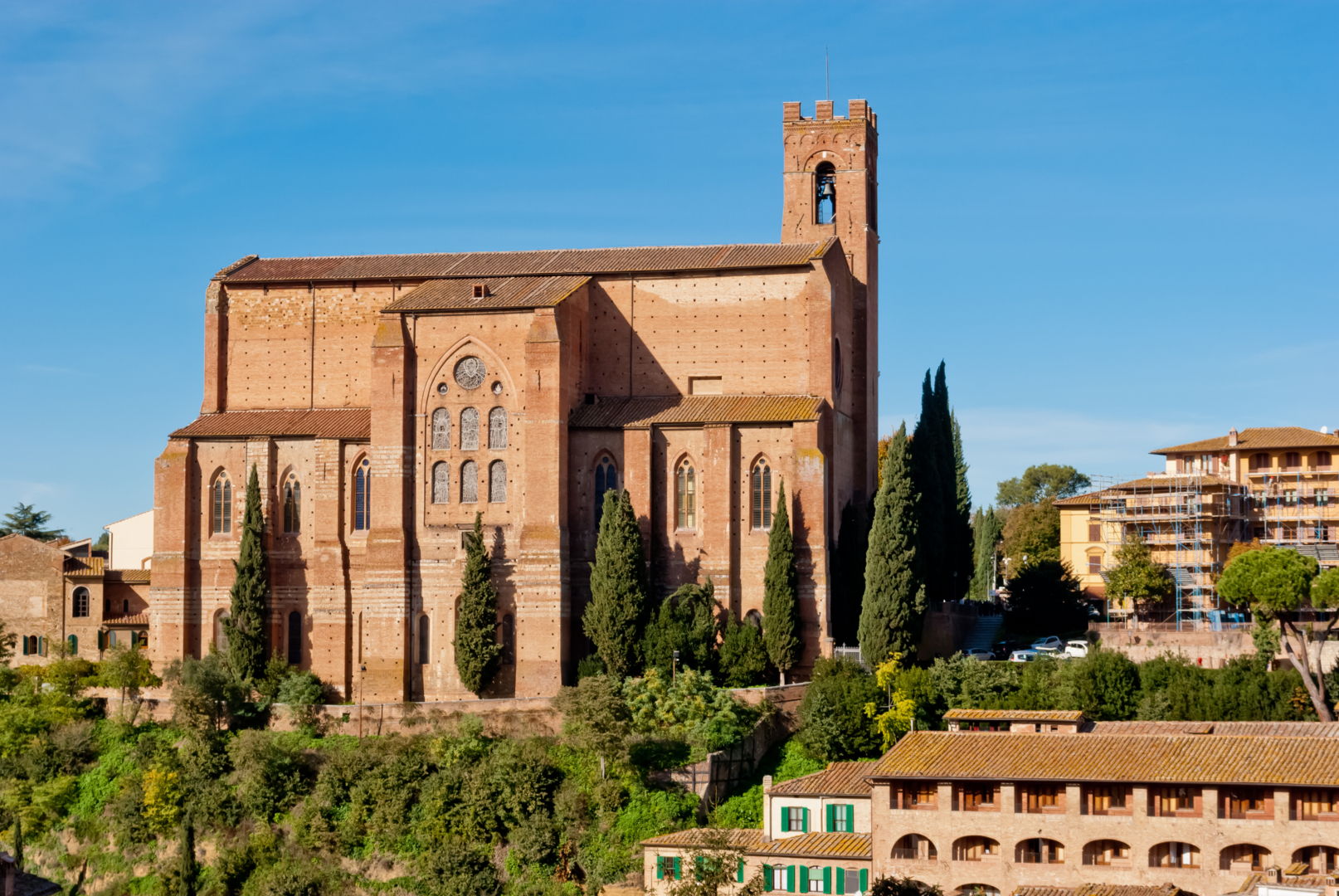
▸ Basilica of San Domenico
Majestic and austere, it houses the relic of the head of Saint Catherine of Siena, patron saint of Europe. The interior preserves frescoes and furnishings that testify to the deep spirituality of the city.
▸ Medici Fortress and Lizza Gardens
A walk in this elevated green space offers relaxation and an unusual view of Siena. In summer it hosts concerts, events and markets. From here you can continue towards the San Prospero district, less touristy but full of authentic life.
What to See in the Surroundings of Siena: Villages, Nature and History
The province of Siena is a mosaic of postcard landscapes, intact medieval villages and vineyards that draw perfect geometries. Here is a selection of ideal destinations for day trips.
Monteriggioni
A fortified village that seems straight out of a chivalric novel. The walls with battlemented towers are intact and walkable, offering wonderful glimpses of the countryside. Don't miss the small medieval museum and the chance to rent historical costumes for a souvenir photo.
San Gimignano
Famous for its medieval towers, San Gimignano is an elegant and well-preserved village. Besides the historic center, visit the Duomo, the Rocca di Montestaffoli and the Torture Museum. Enjoy a handmade ice cream in Piazza della Cisterna.
Chianti Senese
The Chianti territory, between Siena and Florence, is famous for its wines and picturesque villages such as Radda, Gaiole, Castellina in Chianti. Many wineries offer guided tastings and vineyard tours.
Val d’Orcia
An iconic landscape, protected by UNESCO. Visit villages such as Pienza (the "ideal" Renaissance city), San Quirico d'Orcia, Monticchiello. In Bagno Vignoni, the ancient thermal baths occupy the village's central square: a unique case in Europe.
Abbey of San Galgano
A mystical and charming place: a roofless Gothic abbey immersed in nature. Next to it stands the Rotonda di Montesiepi, with the Sword in the Stone, a historic relic that has inspired many legends.
Where and What to Eat in Siena: Authentic Flavors of the Sienese Tradition
Visiting Siena also means being won over by the strong and genuine flavors of its gastronomic tradition. From the simple dishes of peasant cuisine to the most elaborate recipes of medieval banquets, Sienese cuisine is a journey through time made of local ingredients, handed down recipes and zero-kilometer products.
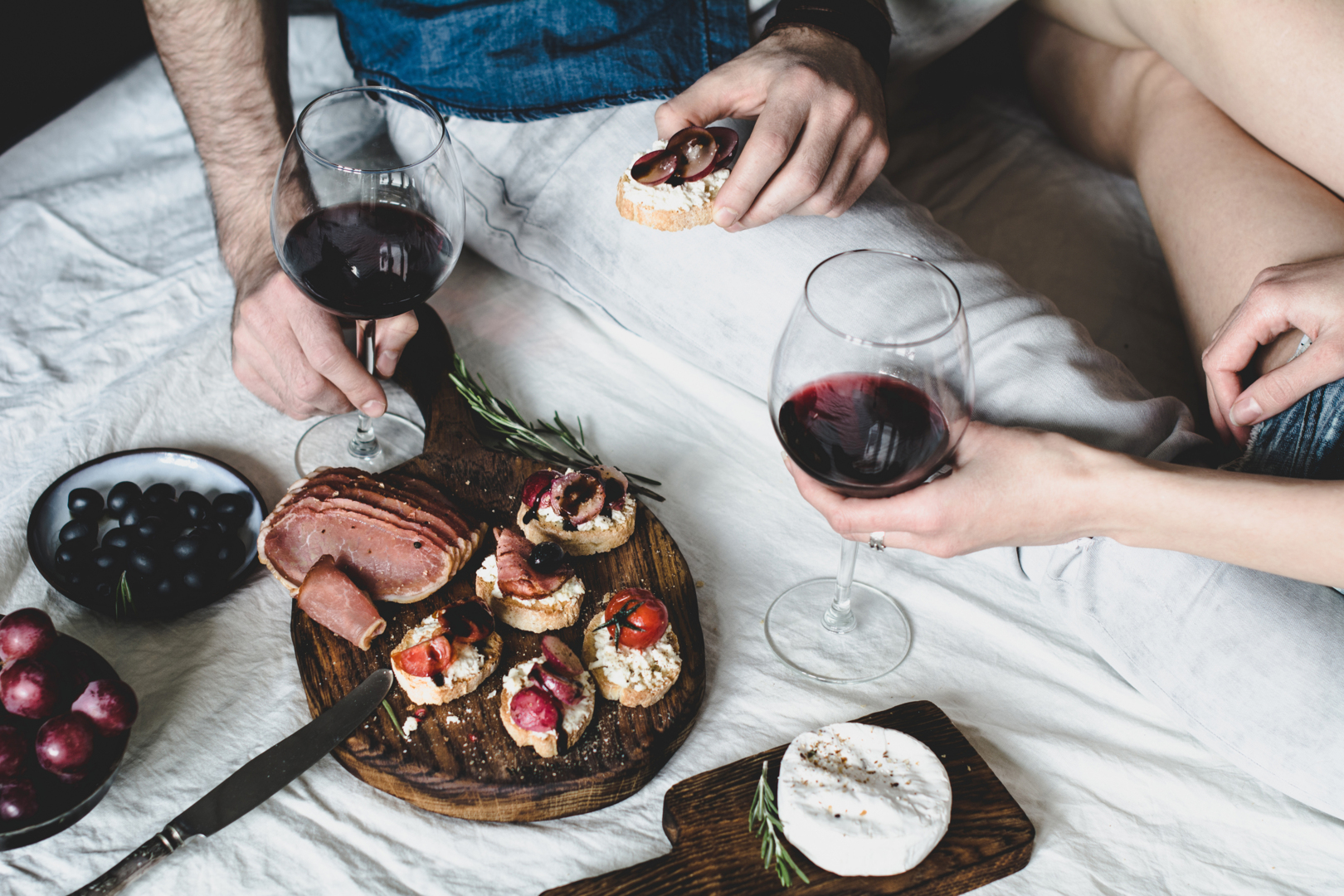
Where to Eat in Siena
In the historic center, you will find traditional osterias, family-run trattorias and elegant restaurants overlooking alleys and squares. The places near Piazza del Campo offer suggestive locations, but for a more authentic experience we recommend heading slightly outside the busiest streets, perhaps in the area of Via Pantaneto, San Martino or Castelvecchio, where the real gastronomic gems often hide.
Overview of Recommended Restaurants
Osteria San Martino
Tuscan food using local products and a highlight is the homemade pasta with top quality ingredients, where elegance blends with authentic hospitality in a relaxing atmosphere.
Il Gallo Nero
Gourmet restaurant located in a historic 13th-century building, offers refined Sienese dishes, such as pigeon with apricot and vanilla or the three-meats tortello.
Osteria Le Logge
Elegant and refined place, ideal for enjoying traditional dishes with a modern twist. Known for its attention to Tuscan raw materials.
La Taverna di San Giuseppe
"La Taverna di San Giuseppe" revives the historical and cultural dimension of the place in a space that welcomes guests making them feel at home and offering a moment of joy in an informal yet refined environment.
Tips for choosing a restaurant
- For an authentic and rustic meal: choose Osteria di San Martino and La Taverna di San Giuseppe
- For a gourmet experience: Il Gallo Nero and Le Logge are perfect for a refined dinner with carefully prepared dishes.
- Strategic location: all restaurants are within a short distance from Piazza del Campo or the Duomo, perfect after a walk among the main attractions.
Those staying in places like San Martino 29 are already in the heart of one of the areas richest in quality culinary proposals, easily reachable on foot.

What to Eat in Siena
Appetizers
- Black crostini: slices of Tuscan bread with chicken liver pâté, often flavored with vin santo, capers and anchovies. A classic of the Sienese aperitif.
- Pecorino di Pienza: sheep’s milk cheese aged in caves or refined under ashes, with a strong and aromatic taste. To be paired with honey and local jams.
First courses
- Pici all’aglione: handmade pasta, thick and rough, dressed with a sauce based on fresh Tuscan garlic and tomato. Simple but intensely aromatic.
- Pici with wild boar: variation with wild boar sauce marinated in red wine, perfect for those who love strong and rustic flavors.
Main courses
- Cinta senese: native pig breed raised free-range, producing valuable meats and cured meats. To try roasted or sliced.
- Trippa alla senese: tripe stewed with tomato, onion, mint and grated pecorino. A hearty dish of popular tradition.
Typical desserts
- Panforte: a symbol sweet of Siena, made with candied fruit, almonds, honey and spices. Originally prepared in monasteries.
- Ricciarelli: cookies made with ground almonds, sugar and egg whites, soft in texture and covered with powdered sugar.
- Cavallucci: rustic cookies with walnuts, spices and candied fruit, perfect to accompany a glass of vin santo.
Bonus tip: what to drink
Accompany your meals with a glass of:
- Chianti Classico DOCG
- Rosso di Montalcino
- Vernaccia di San Gimignano (if you choose vegetable or cheese-based dishes)
Many restaurants offer tasting menus that allow you to savor all the iconic dishes of the area with excellent quality/price ratio. Always ask if the dishes are homemade: in Siena it is often a good sign.
Practical Tips for the Trip
- Getting around on foot: The historic center is a ZTL (restricted traffic zone). Better to park near Porta Tufi, Porta Ovile or Porta Camollia.
- When to visit: Spring and autumn are the best periods. In July and August the weather is warmer but you might experience the Palio.
- Events: besides the Palio, Siena hosts ancient music festivals, art exhibitions and food and wine events all year round.
- Typical purchases: ceramics, DOCG wines (Brunello, Chianti, Nobile), cured meats, extra virgin olive oil.
Conclusion
Now you have a complete guide to discover what to see in Siena and surroundings, whether you only have one day to explore it on foot, or you can dedicate more time to its extraordinary surroundings. Siena is living history, pure art and Tuscan landscape at its most authentic.
All that remains is to leave booking a room at our property. Every stone of Siena has a story to tell.
Frequently Asked Questions (FAQ)
How long does it take to visit Siena on foot?
A basic itinerary can be done in a full day, but two days allow you to enjoy also museums and lesser-known spots.
What is the best time to visit Siena?
Spring (April-June) and September/October are ideal for weather, crowds and colors. In July/August there is the Palio, but you need to book well in advance.
Is it worth visiting the surroundings of Siena?
Absolutely yes: from San Gimignano to Val d’Orcia, the surroundings offer villages, nature and culture. Many places are reachable in less than an hour.
Is Siena suitable for families with children?
Yes. The squares, contrade and gardens offer safe and charming spaces even for the little ones.
Can you visit everything without a car?
Yes, especially the historic center. For the surroundings, however, a car or organized tours are recommended.